







 Need Help?
 SOLUTION FINDER
 Ask the Expert
 SOLUTION FINDER
Be road trip ready with these 9 Easy Maintenance Check to be Road Trip Ready! This post is sponsored by Gumout. All Views expressed are those of our own.

If planned well, a road trip can create fond memories of beautiful scenic landscapes, fun destinations, and tasty cuisine from distant lands. However, if proper planning is neglected, a road trip may result in a stress-induced nightmare you’ll long to wake up from!
Arguably, the most important component to any road trip is the vehicle. Your vehicle has the power to bring you from place to place, allowing you the best trip ever. Alternatively, if your vehicle isn’t working properly… it can send your trip (and mood) into a downward spiral!
Thankfully, there are a few easy things you can do to help prevent your vehicle from causing a bad trip. In fact, these are tasks you should already be performing on your car.
9 Easy Car Maintenance Tasks to Ensure Your Car Stays in Good Shape for any Drive – Long or Short!
Engine Oil
Keeping your engine oil at its proper level and lifespan is probably the most well-known car maintenance practice among vehicle owners. It’s essential that your oil level is not low and that your oil is within its useful life to keep your engine lubricated.
Depending on whether you use conventional oil or synthetic oil, you should change your oil at your vehicle manufacturer’s recommended frequency. As a general rule, you should expect to get more mileage out of full synthetic oil versus conventional oil.
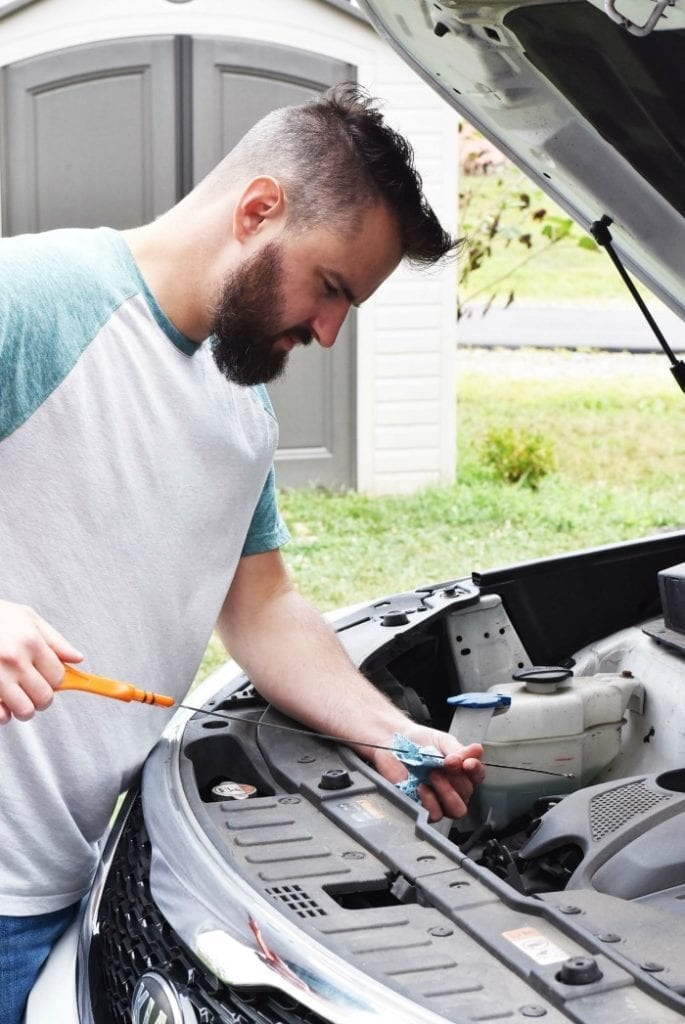
If you are in between oil changes, it’s always a good idea to pop the hood and check your oil level, especially before taking a long trip. Pull out your engine oil dipstick, wipe it with a clean rag, reinsert it all the way, then pull it back out to get an accurate reading. Your oil level should be above the low mark on the dipstick. If it is at or below the low mark, you should top it off with more oil.
Fuel System Cleaner
The fuel system is like the beating heart of your vehicle. When you start your engine, gasoline is pumped through a series of fuel lines into the fuel injectors and finally into each cylinder combustion chamber, where it’s ignited into a heart-pounding, engine-revving, accelerating blast of horsepower!
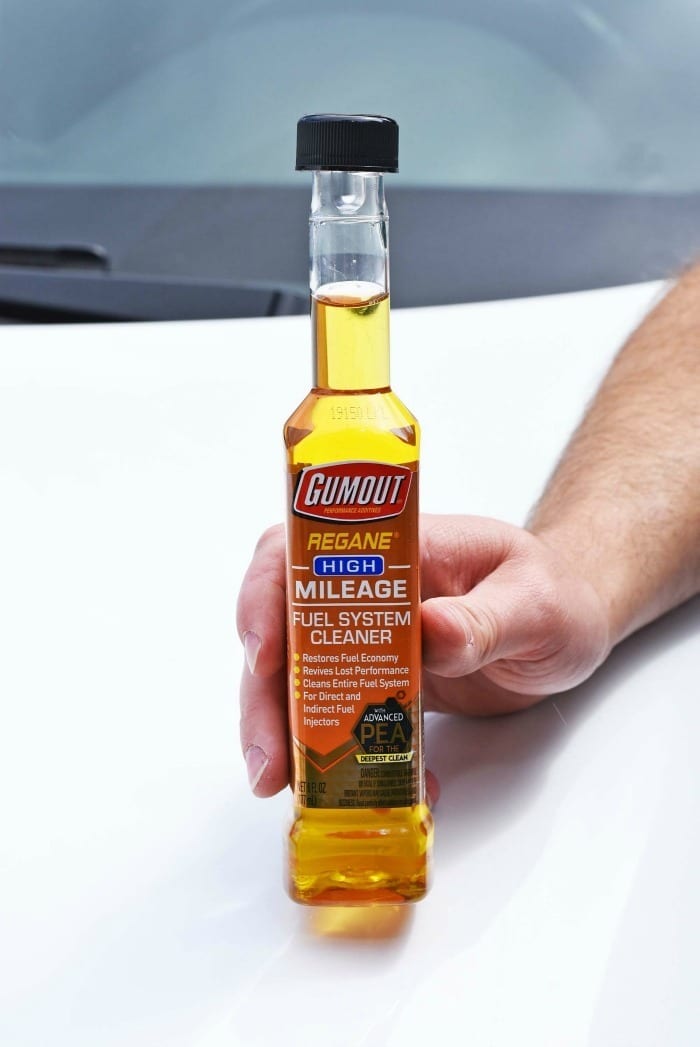
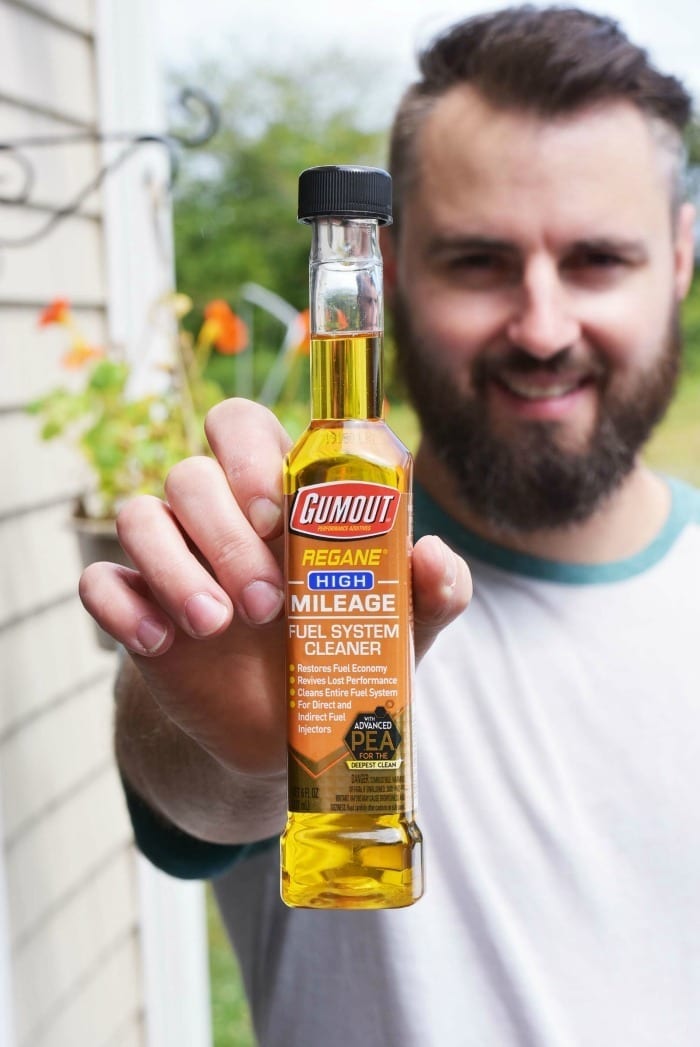
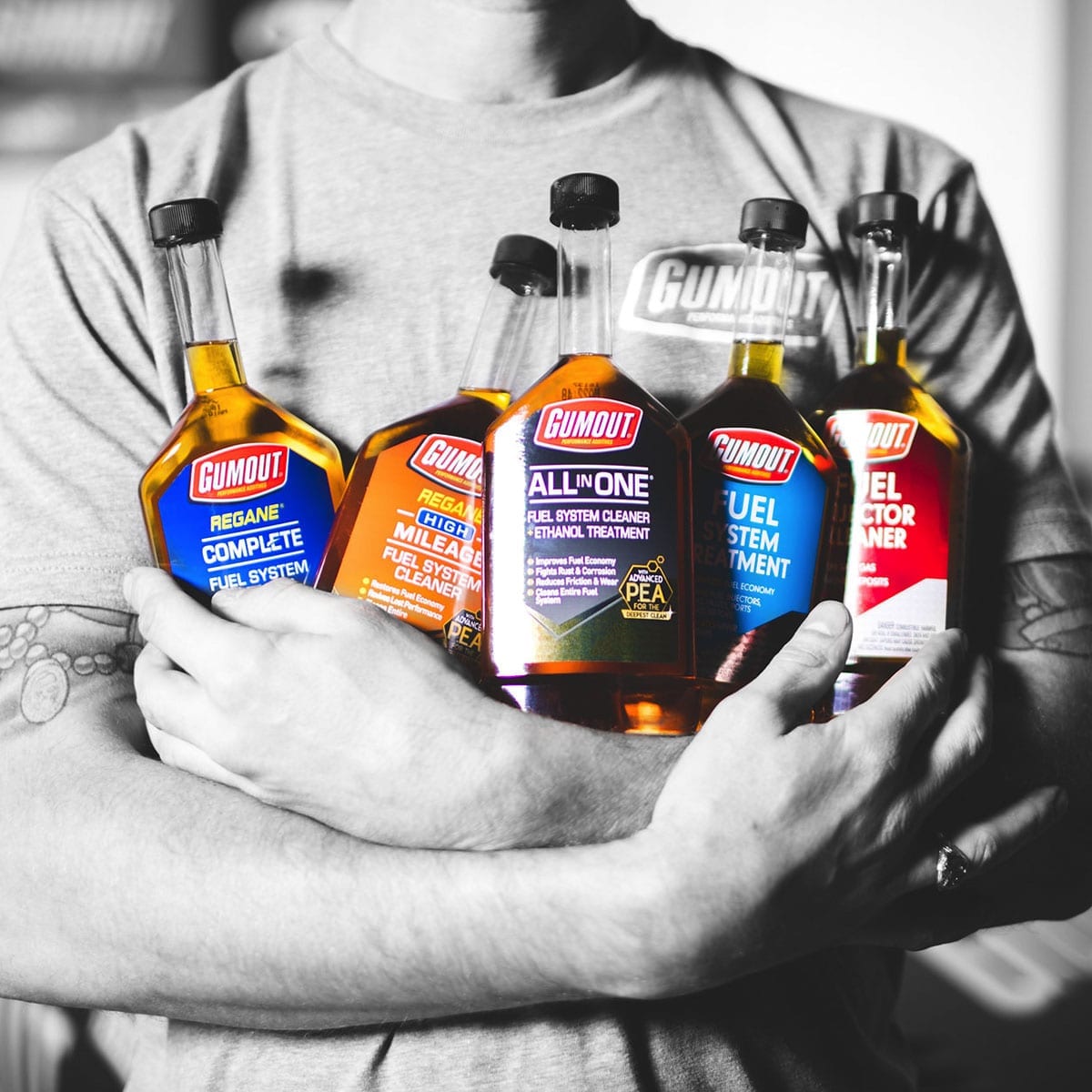
Such an important system should be properly maintained by using a product like Gumout Regane High Mileage Fuel System Cleaner. If your engine has over 75,000 miles on it, as mine does, its fuel system will benefit from Gumout Regane High Mileage Fuel System Cleaner.
Over time, your fuel system naturally generates carbon deposits that can rob your engine of fuel efficiency and performance. Gumout Regane High Mileage Fuel System Cleaner helps restore engine power and performance. In addition, it prevents excess friction and reduces carbon deposits with regular use.
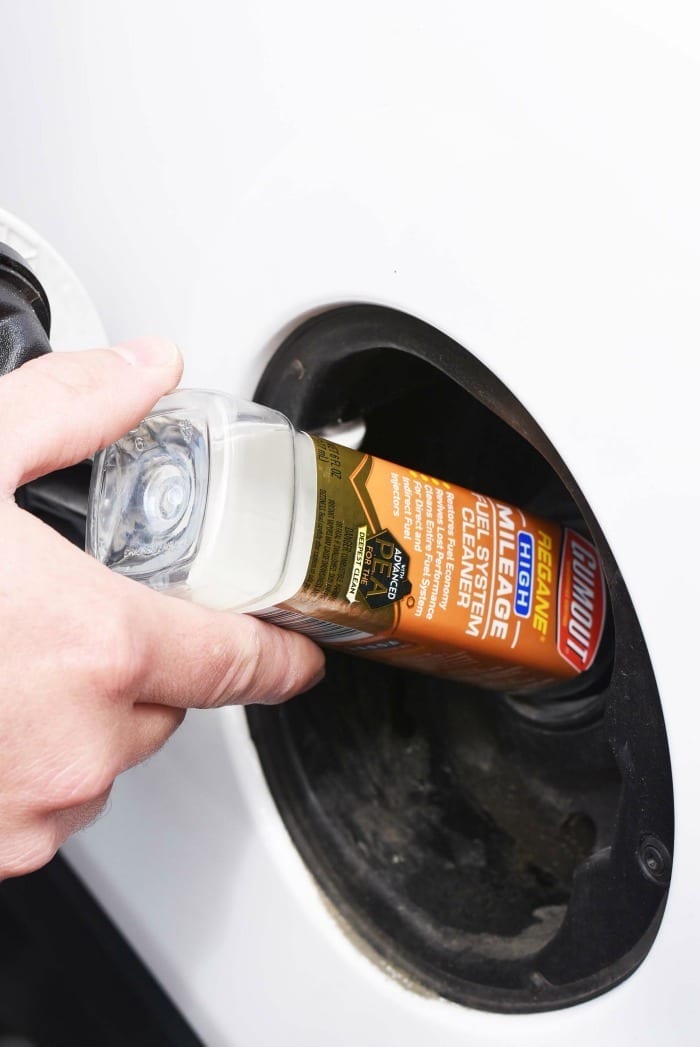
All you need to do is add a bottle to your nearly-empty gas tank and refill it with up to 19 gallons of gasoline–do this about every 3000 miles.
If you have a car with less than 75,000 miles on it, I’d go with Gumout Regane All-In-One or Gumout Regane Complete Fuel System Cleaner. All are great products for keeping your fuel system clean and maintained.
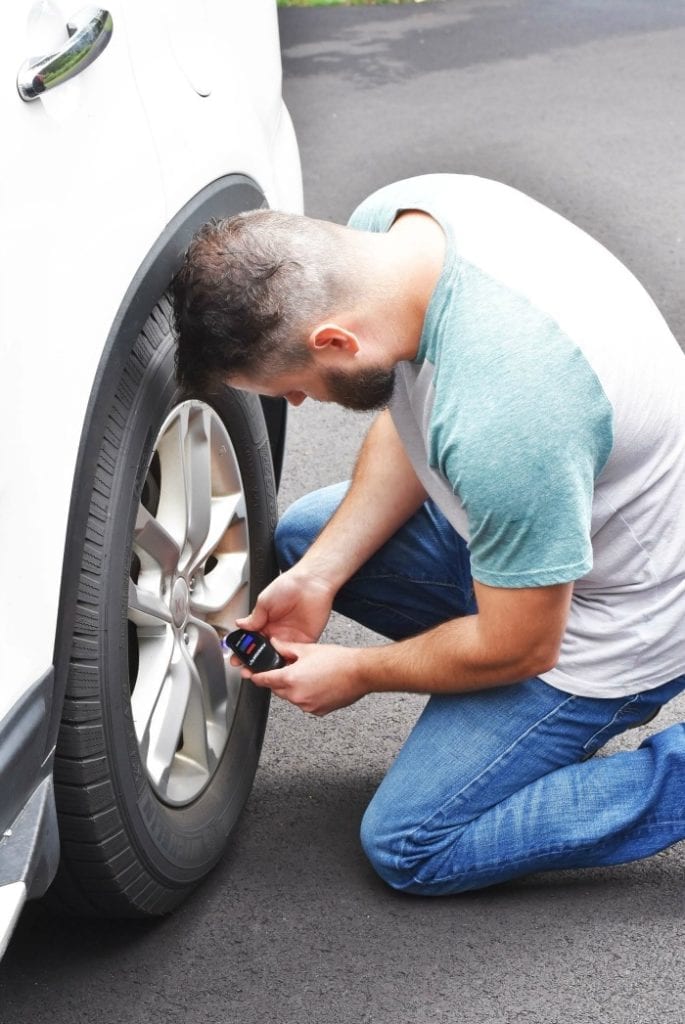
Tire Pressure
Tire pressure is often neglected by vehicle owners. I have to admit that I even forget to check my tire pressure as often as I should. Low tire pressure hurts your fuel economy because of the added friction/drag from the tread on the road.
In addition, low tire pressure can be unsafe because it could affect your traction in the rain, snow, or on a dirty road.
Definitely check your tire pressure before a road trip. Other than that, it’s good practice to check it at least once a month, or if you notice that your tire(s) look lower than normal.
Your car’s max tire pressure is located on the tire’s sidewall and usually on the inside of the driver’s side door or trunk. The pressure should be within 2 PSI of the max pressure. Therefore, if your max tire pressure is 40 PSI, they should be filled to at least 38 PSI, but not more than the max.
Tire Tread Condition
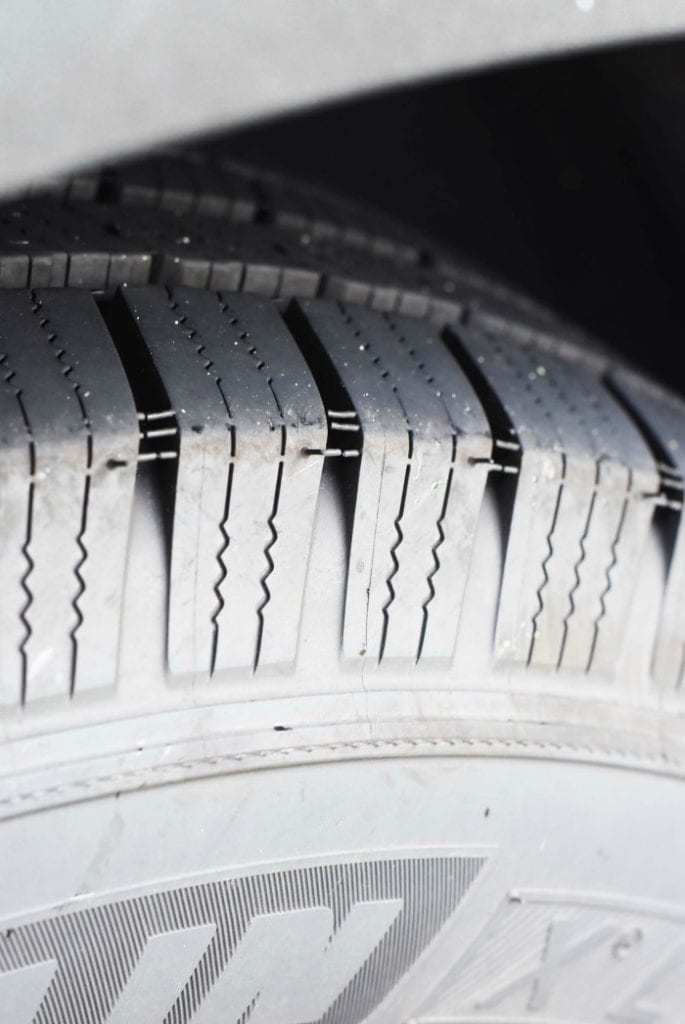
The condition of your tires is an important safety factor for long trips. Low tire treads can result in very poor traction on wet or snow-covered roads. In addition, it results in a weaker tire that is more prone to piercings or blowouts!
If your tread is less than 1/8 inch thick, you should replace your tires. An age-old trick is to stick a penny in between the treads. If you can see the top of Lincoln’s head, you need new tires (they won’t pass state inspection anyway).
Brake Fluid
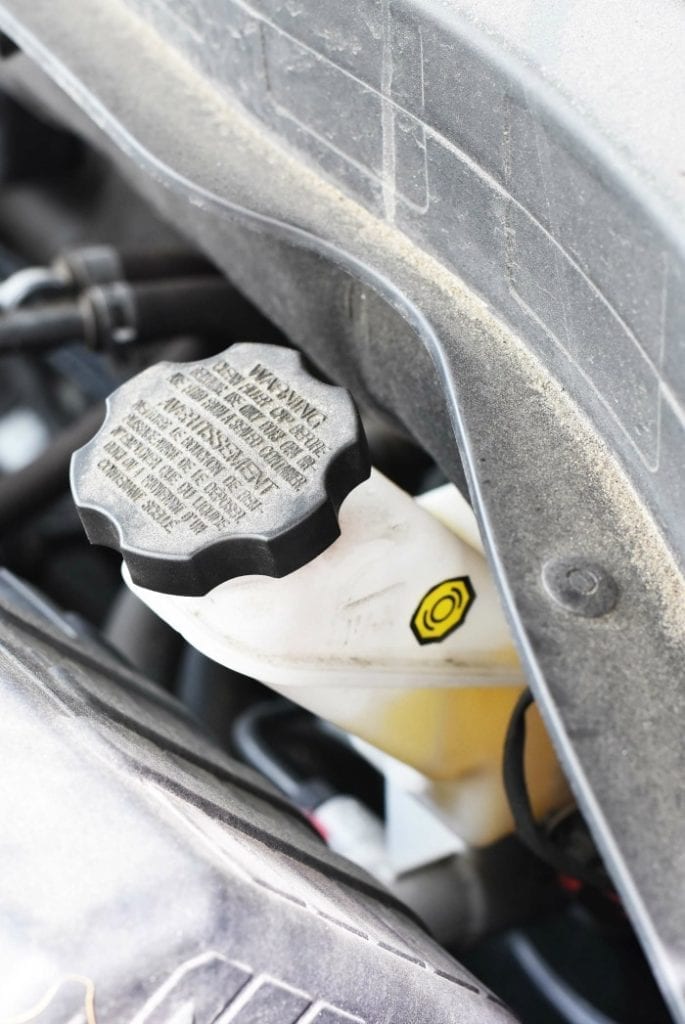
Most vehicles use a hydraulic brake system. If your car has disc brakes, your brake system uses DOT brake fluid to transfer pressure from your brake pedal to your master cylinder, then to your calipers, and finally to your rotors. This is how your car stops.
If your brake fluid is low, you can lose braking power or increase the time it takes your car to come to a complete stop.
With the hood open, find the small plastic reservoir with a cap that usually says DOT Brake Fluid on it. Look at the side of the reservoir and make sure your fluid level is between the high and low marks. If it’s less-than low, you either have low brake pads or you need more fluid.
Windshield Washer Fluid
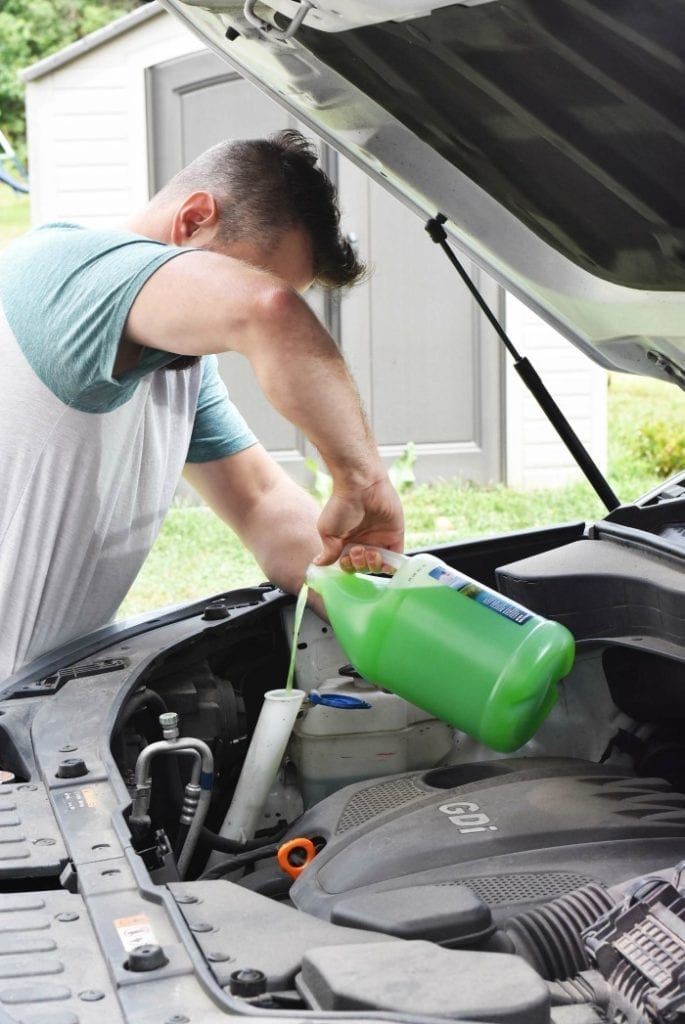
Don’t let this simple fluid cause you any heartache during a road trip by not having any!
The more you drive, the more bugs, bird droppings, and other random dirty stuff will stick to your windshield. Make sure you have a full windshield washer fluid tank before embarking on your journey, so you can see clearly.
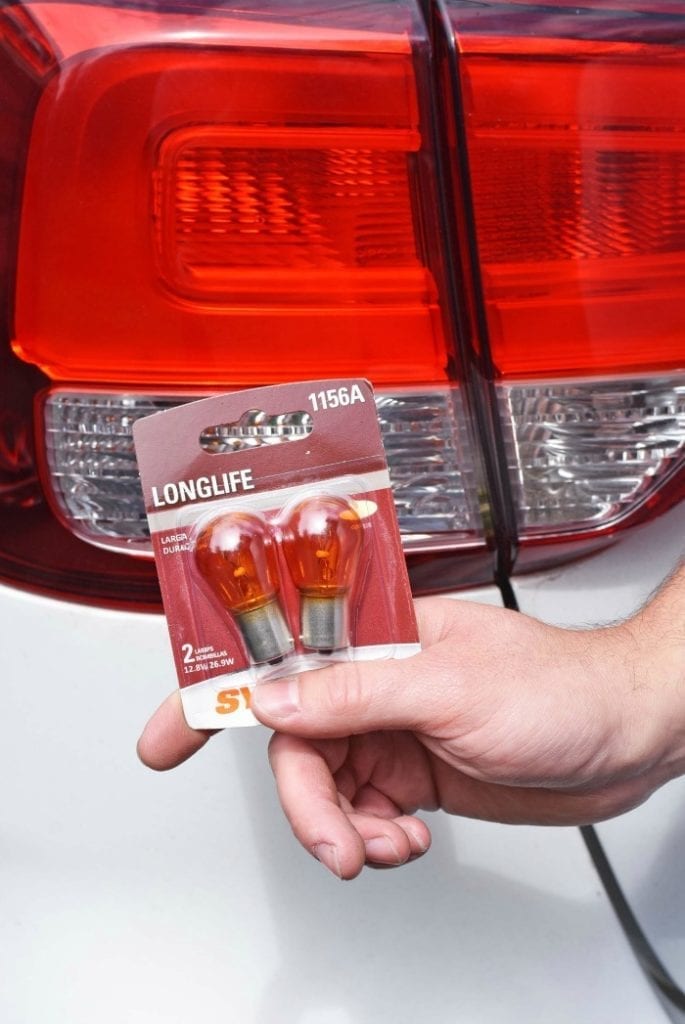
Turn Signals, Tail Lights, Headlights
A turn signal that’s not working is not only a safety hazard, but it could also actually get you pulled over!
Before heading out for any trip, park your car and turn on your hazard lights. Take a walk around your vehicle to make sure all of your turn signals are working.
Taillights and headlights can be checked by turning on your lights while the car is parked, then walking around your vehicle.
Any light that’s out should be replaced as soon as possible.
Air Filter
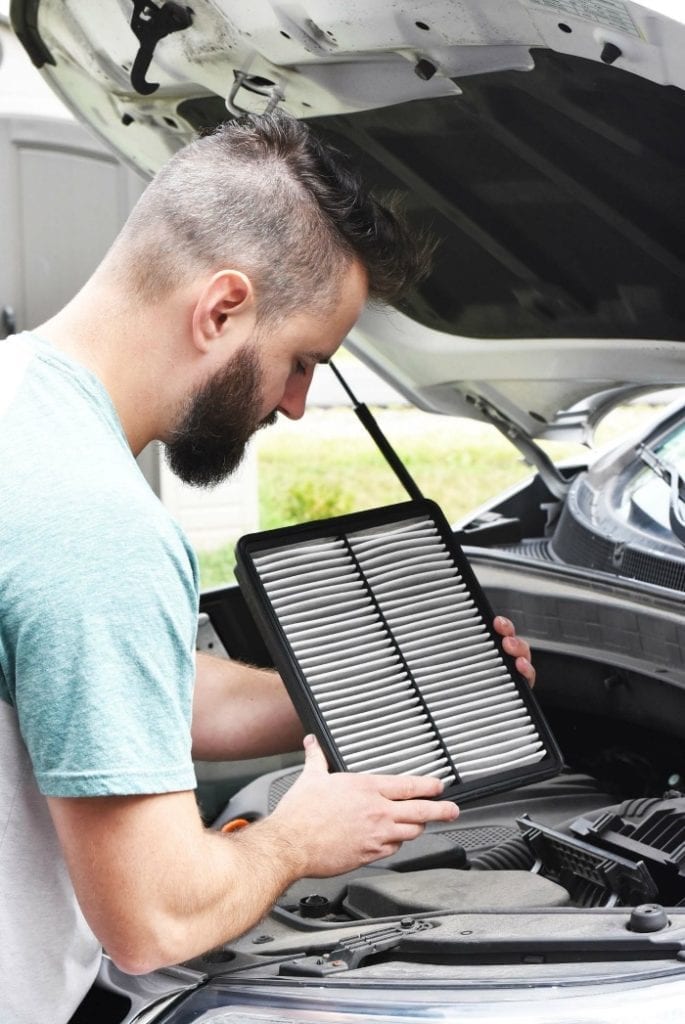
Last but not least is the your engine’s air filter. A clogged air filter will reduce engine performance, power, and fuel economy.
Locate your air filter box (usually a box under the hood) and pop it open. Pull out your air filter and look inside the pleats. If it’s loaded with dirt, leaves, bugs, etc, it’s time to replace it.
A normal air filter should be replaced (or at least checked) every 15,000 miles. Some high-end air filters have “lifetime” lifespans, but need to be cleaned and “recharged” at a certain frequency.
Conclusion
These 9 maintenance items are so easy to check, there’s no excuse not to do them. If you plan to head out on a road trip, make sure you do these 9 things at a minimum! It can save you hours of headaches stuck out on the open road.
As an additional tip, I suggest setting up a roadside assistance subscription or plan before a long trip. Even if you’re not heading out on a road trip, it’s always a good idea to have a reliable method of obtaining roadside assistance just in case!
Find Gumout products near you at your local retailer.